The Chinese language has been a unifying force for the people of China for centuries. With a long history and rich cultural significance, the language has played a pivotal role in shaping the national identity of the Chinese people. However, along with its cultural importance, the Chinese language has also been at the center of nationalist movements that aim to promote its supremacy and protect it from outside influences.
Category : | Sub Category : Posted on 2025-11-03 22:25:23
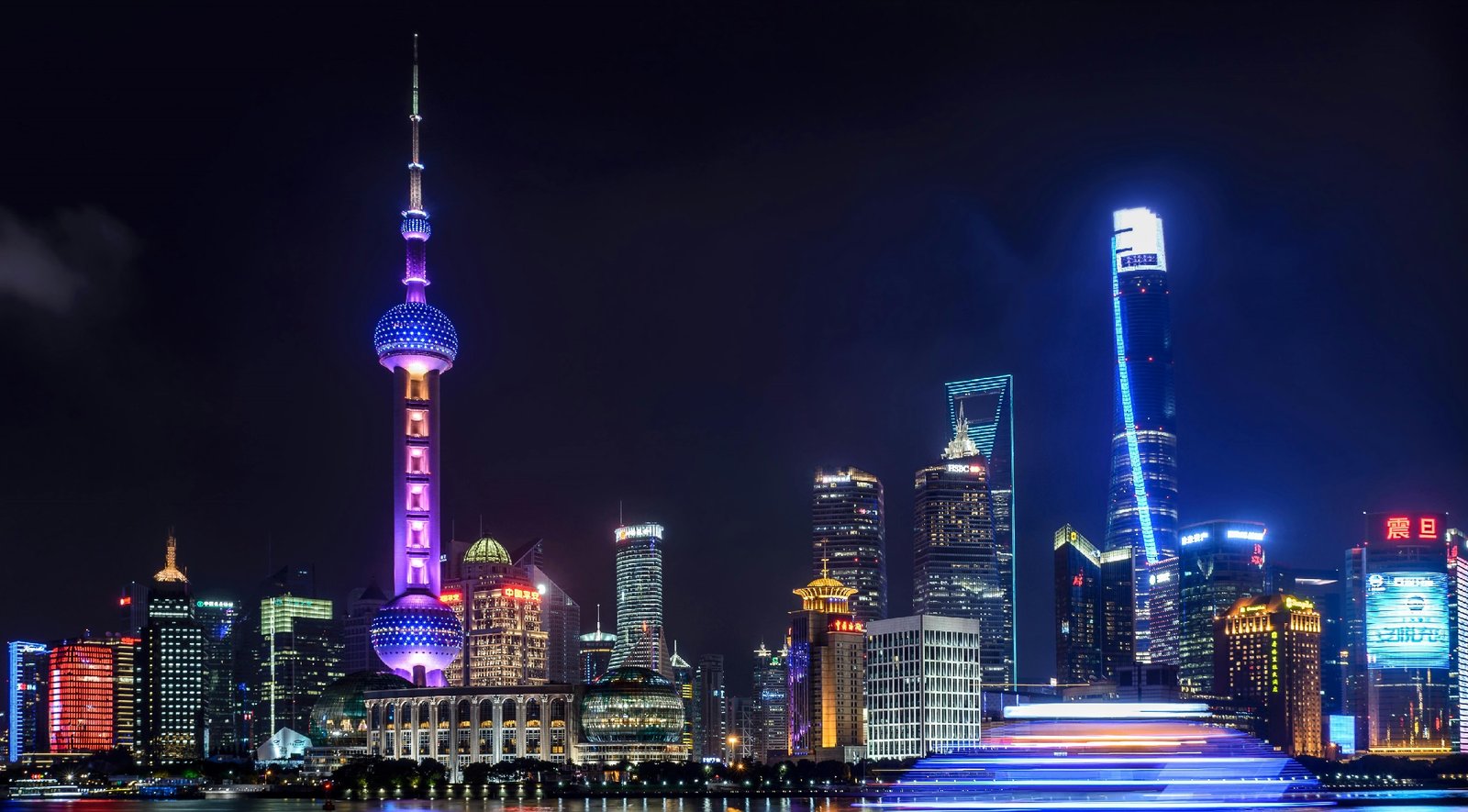
In recent years, there has been a rise in Chinese language nationalism movements that seek to elevate the status of Mandarin, the official language of China, above other dialects and languages spoken within the country. These movements often advocate for the use of Mandarin as the primary language in all aspects of public life, including education, government, and media. One of the main goals of Chinese language nationalism movements is to reinforce the idea of a unified Chinese identity based on a shared language and cultural heritage. Proponents argue that promoting Mandarin as the dominant language helps to foster national unity and cohesion, especially in a country as linguistically diverse as China. However, critics of these movements argue that they can be exclusionary and marginalize minority languages and dialects spoken in China. Many minority groups within the country have their own languages and traditions that are an integral part of their cultural identity. By promoting Mandarin as the sole language of importance, Chinese language nationalism movements risk erasing the linguistic diversity that exists within China. Furthermore, some critics argue that these movements may be driven by political motives, as promoting Mandarin as the dominant language can be seen as a way to exert control and influence over minority groups within China. This has led to tensions between advocates of Chinese language nationalism and proponents of language diversity and minority rights. In conclusion, Chinese language nationalism movements play a complex role in shaping the national identity of China. While they may have the noble intention of promoting unity and cohesion, it is important to be mindful of the potential consequences of prioritizing one language over others. Ultimately, embracing linguistic diversity and respecting the rights of all language speakers is essential in creating a truly inclusive and harmonious society. Expand your knowledge by perusing https://www.2gz.org also click the following link for more https://www.stguru.com Seeking in-depth analysis? The following is a must-read. https://www.china-directory.com For additional information, refer to: https://www.toguangzhou.com More about this subject in https://www.tokualalumpur.com For additional information, refer to: https://www.nacionalismo.com
Leave a Comment:
SEARCH
Recent News
- Zurich, Switzerland, and Shanghai, China, are two cities known for their bustling business environments and thriving economies. In Zurich, there are several top companies that play a significant role in shaping the city's status as a global financial hub. Likewise, Shanghai is home to a number of prominent companies that contribute to its reputation as a leading business and financial center in Asia.
- Zurich, Switzerland, and Shanghai, China, are two cities known for their vibrant startup scenes. Both cities have established themselves as important hubs for innovation and entrepreneurship, attracting talented individuals and investors from around the world.
- Zurich, Switzerland and Shanghai, China are two vastly different cities, each with its own unique charm and appeal. While Zurich is known for its picturesque landscapes, high standard of living, and thriving financial sector, Shanghai is a bustling metropolis with a rapidly growing economy and a vibrant real estate market.
- Zurich, Switzerland vs. Shanghai Labor Market: A Comparison
- Zurich, Switzerland is a picturesque city known for its beautiful architecture, vibrant cultural scene, and high quality of life. On the other hand, Shanghai, China is a bustling metropolis that serves as a major financial and business hub in Asia. Let's explore how these two cities compare in terms of business opportunities and what makes them unique in their own ways.
- Exposing Shanghai's Top Companies: YouTube Content Creation and Translation
- In the bustling city of Shanghai, startups are thriving and the content creation scene on YouTube is flourishing. As more and more entrepreneurs and creators flock to this dynamic city, they are tapping into the power of YouTube to reach a global audience. One key strategy that many of these startups are adopting is translating their content to reach an even broader and more diverse audience.
- How YouTube Content Creation and Translation Can Benefit Shanghai Real Estate Industry
READ MORE
10 months ago Category :

Zurich, Switzerland, and Shanghai, China, are two cities known for their bustling business environments and thriving economies. In Zurich, there are several top companies that play a significant role in shaping the city's status as a global financial hub. Likewise, Shanghai is home to a number of prominent companies that contribute to its reputation as a leading business and financial center in Asia.
Read More →10 months ago Category :

Zurich, Switzerland, and Shanghai, China, are two cities known for their vibrant startup scenes. Both cities have established themselves as important hubs for innovation and entrepreneurship, attracting talented individuals and investors from around the world.
Read More →10 months ago Category :

Zurich, Switzerland and Shanghai, China are two vastly different cities, each with its own unique charm and appeal. While Zurich is known for its picturesque landscapes, high standard of living, and thriving financial sector, Shanghai is a bustling metropolis with a rapidly growing economy and a vibrant real estate market.
Read More →10 months ago Category :
