Deepfake technology has become increasingly sophisticated and prevalent in recent years, raising concerns about its potential applications and implications for industries such as the labor market. In Shanghai, a bustling metropolis known for its innovative spirit and tech-savvy population, the rise of deepfake applications is beginning to make an impact on hiring processes and professional interactions.
Category : | Sub Category : Posted on 2025-11-03 22:25:23
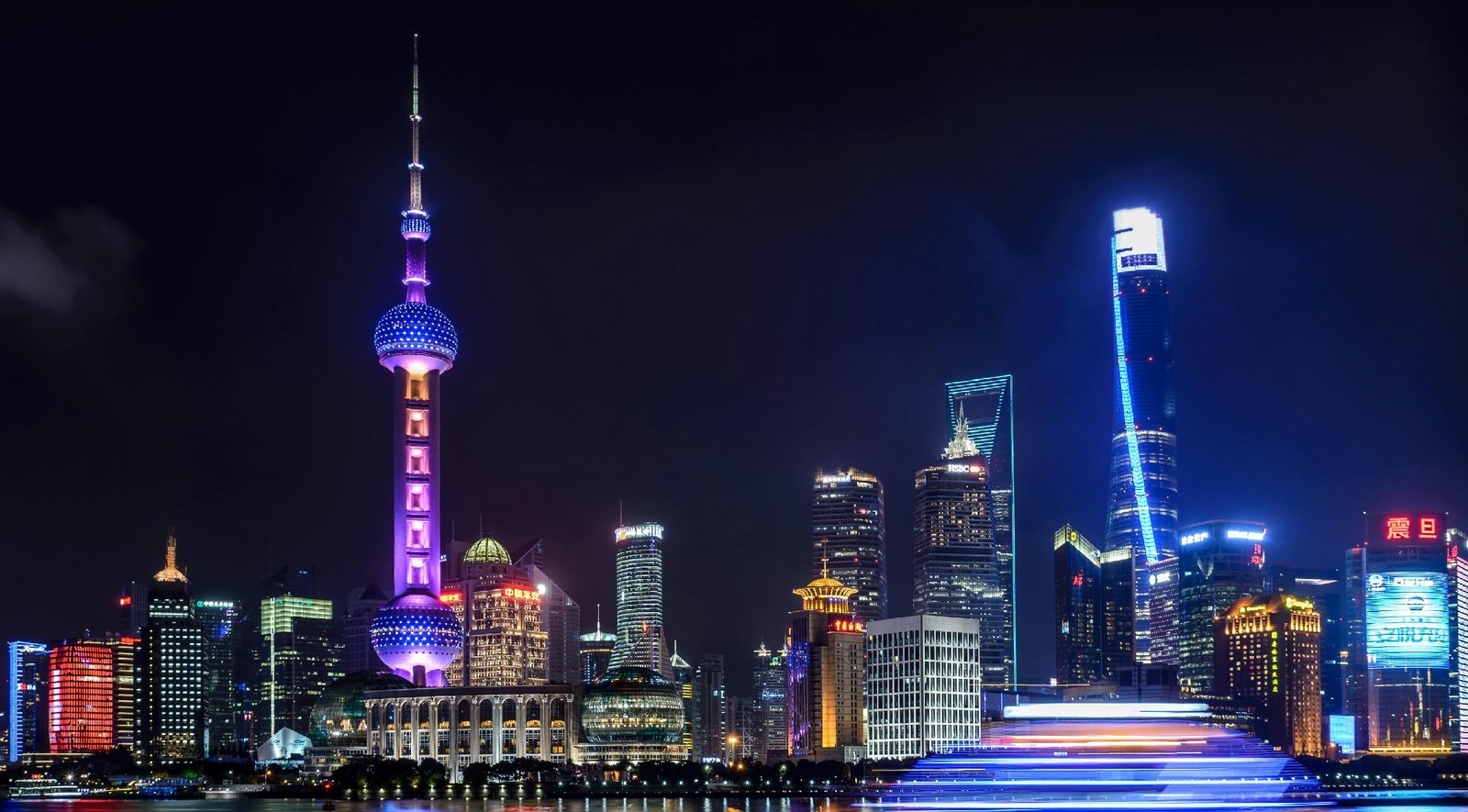
One area where deepfake technology is starting to play a role in Shanghai's labor market is in job interviews. Employers are using deepfake technology to create virtual interviewers that can conduct interviews with job candidates autonomously. These virtual interviewers are programmed to ask predetermined questions, analyze facial expressions and body language, and provide feedback to employers based on candidate responses. While this technology can streamline the hiring process and provide valuable insights into candidates' suitability for a position, it also raises concerns about bias and privacy. In addition to job interviews, deepfake technology is being used in employee training and development programs in Shanghai. Companies are creating virtual training modules that feature deepfake simulations of real-life workplace scenarios, allowing employees to practice handling difficult situations in a safe and controlled environment. This immersive training approach can help employees improve their skills and performance but also raises ethical questions about the manipulation of digital identities and boundaries between reality and simulation. Moreover, deepfake technology is impacting the way professionals communicate and collaborate in Shanghai's competitive business environment. With the ability to create realistic fake videos and audio recordings, individuals can impersonate others and manipulate information to deceive colleagues, clients, and stakeholders. This misuse of deepfake technology undermines trust and credibility in professional relationships and highlights the importance of digital literacy and cybersecurity measures in the workplace. As deepfake applications continue to evolve and expand their reach in Shanghai's labor market, it is crucial for companies, policymakers, and individuals to proactively address the ethical and security implications of this technology. Establishing clear guidelines and regulations around the use of deepfake technology, investing in cybersecurity measures and digital literacy training, and fostering a culture of transparency and integrity can help mitigate the risks associated with deepfake applications and promote a safe and responsible use of this technology in the evolving labor market landscape. To get more information check: https://www.cruzar.org To get a different viewpoint, consider: https://www.abandonar.org Get a well-rounded perspective with https://www.culturelle.org also click the following link for more https://www.departements.org For an alternative viewpoint, explore https://www.regionales.net
Leave a Comment:
SEARCH
Recent News
- Zurich, Switzerland, and Shanghai, China, are two cities known for their bustling business environments and thriving economies. In Zurich, there are several top companies that play a significant role in shaping the city's status as a global financial hub. Likewise, Shanghai is home to a number of prominent companies that contribute to its reputation as a leading business and financial center in Asia.
- Zurich, Switzerland, and Shanghai, China, are two cities known for their vibrant startup scenes. Both cities have established themselves as important hubs for innovation and entrepreneurship, attracting talented individuals and investors from around the world.
- Zurich, Switzerland and Shanghai, China are two vastly different cities, each with its own unique charm and appeal. While Zurich is known for its picturesque landscapes, high standard of living, and thriving financial sector, Shanghai is a bustling metropolis with a rapidly growing economy and a vibrant real estate market.
- Zurich, Switzerland vs. Shanghai Labor Market: A Comparison
- Zurich, Switzerland is a picturesque city known for its beautiful architecture, vibrant cultural scene, and high quality of life. On the other hand, Shanghai, China is a bustling metropolis that serves as a major financial and business hub in Asia. Let's explore how these two cities compare in terms of business opportunities and what makes them unique in their own ways.
- Exposing Shanghai's Top Companies: YouTube Content Creation and Translation
- In the bustling city of Shanghai, startups are thriving and the content creation scene on YouTube is flourishing. As more and more entrepreneurs and creators flock to this dynamic city, they are tapping into the power of YouTube to reach a global audience. One key strategy that many of these startups are adopting is translating their content to reach an even broader and more diverse audience.
- How YouTube Content Creation and Translation Can Benefit Shanghai Real Estate Industry
READ MORE
10 months ago Category :

Zurich, Switzerland, and Shanghai, China, are two cities known for their bustling business environments and thriving economies. In Zurich, there are several top companies that play a significant role in shaping the city's status as a global financial hub. Likewise, Shanghai is home to a number of prominent companies that contribute to its reputation as a leading business and financial center in Asia.
Read More →10 months ago Category :

Zurich, Switzerland, and Shanghai, China, are two cities known for their vibrant startup scenes. Both cities have established themselves as important hubs for innovation and entrepreneurship, attracting talented individuals and investors from around the world.
Read More →10 months ago Category :

Zurich, Switzerland and Shanghai, China are two vastly different cities, each with its own unique charm and appeal. While Zurich is known for its picturesque landscapes, high standard of living, and thriving financial sector, Shanghai is a bustling metropolis with a rapidly growing economy and a vibrant real estate market.
Read More →10 months ago Category :
