Russia and Shanghai Labor Markets: A Comparative Analysis
Category : | Sub Category : Posted on 2025-11-03 22:25:23
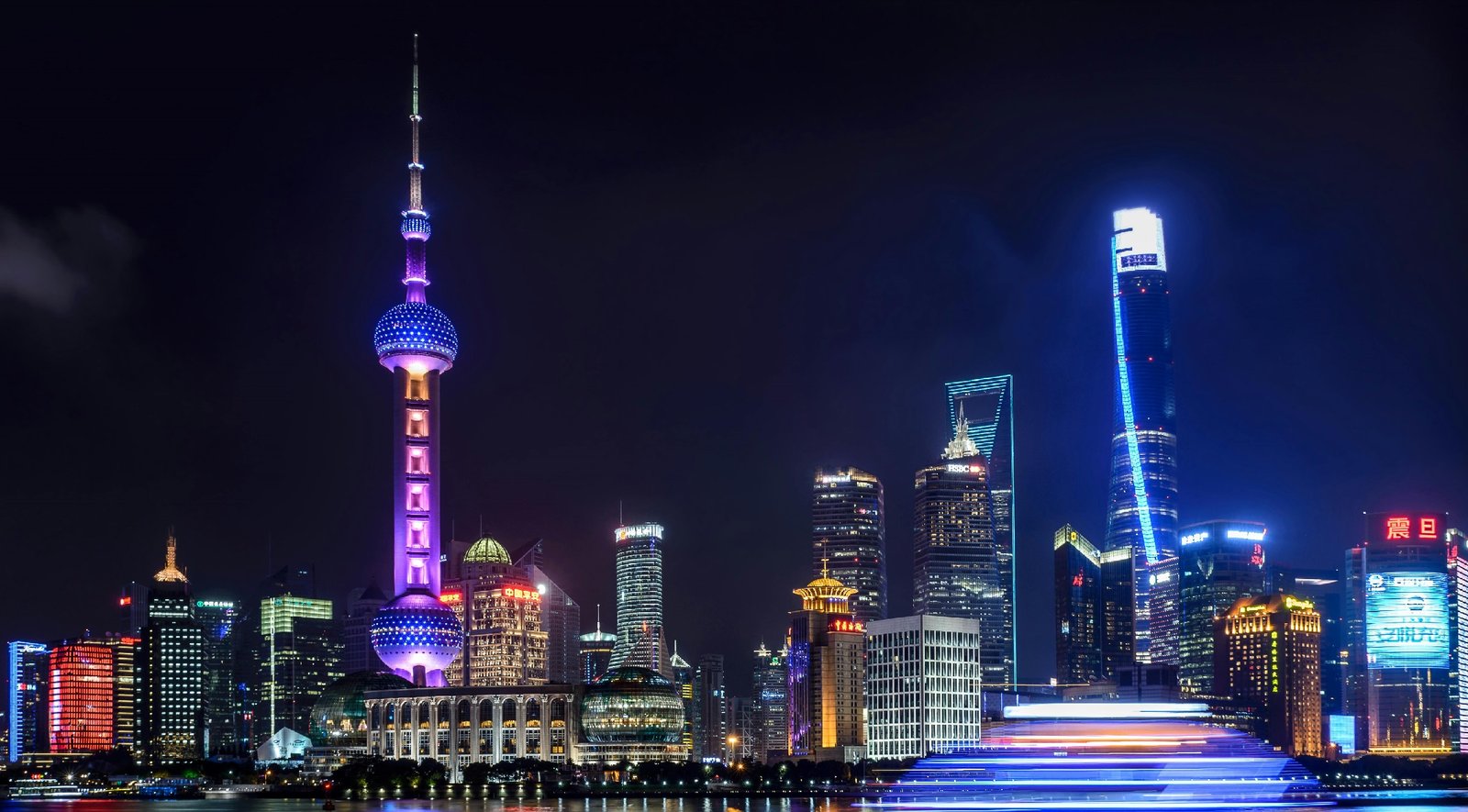
In today's globalized world, understanding the dynamics of different labor markets is crucial for businesses, policymakers, and job seekers alike. Russia and Shanghai are two distinct regions with unique economic structures and labor market characteristics. By comparing and contrasting the labor markets in these two locations, we can gain valuable insights into the opportunities and challenges faced by workers and employers. Russia, the largest country in the world by land area, has a diverse economy driven primarily by natural resources such as oil, gas, and minerals. The Russian labor market is characterized by a high level of government involvement, a legacy of the country's Soviet past. State-owned enterprises still play a significant role in the Russian economy, particularly in sectors like energy and heavy industry. As a result, job opportunities in these sectors are often influenced by government policies and regulations. On the other hand, Shanghai, one of the largest cities in China and a global financial hub, has a more market-oriented labor market compared to Russia. The city's economy is driven by manufacturing, finance, technology, and services, attracting both domestic and international businesses. Shanghai's labor market is known for its dynamism and competitiveness, with a high demand for skilled workers in sectors like finance, IT, and e-commerce. When comparing the labor markets in Russia and Shanghai, several key differences emerge. In Russia, job security and stability are often prioritized by workers, given the historical significance of lifetime employment guarantees in Soviet-era enterprises. In contrast, Shanghai's labor market is characterized by a higher level of mobility, with workers more willing to change jobs to seek better opportunities and higher salaries. Another important factor to consider is the role of education and skills development in the two labor markets. In Russia, there is a strong emphasis on technical and vocational education, with many workers trained in specific trades or professions. In Shanghai, the focus is on higher education and professional qualifications, with a growing demand for workers with expertise in areas such as finance, technology, and digital marketing. Overall, while the labor markets in Russia and Shanghai have their unique characteristics and challenges, both regions offer opportunities for growth and development for workers and businesses. By understanding the nuances of these two labor markets, stakeholders can make informed decisions to navigate the complexities of the global economy and tap into the potential of these dynamic regions. Get a comprehensive view with https://www.culturelle.org For more info https://www.departements.org For the latest research, visit https://www.unian.org Click the following link for more https://www.regionales.net For an in-depth examination, refer to https://www.newsru.org Explore expert opinions in https://www.whymoscow.com Get a comprehensive view with https://www.prozorro.net
Leave a Comment:
SEARCH
Recent News
- Zurich, Switzerland, and Shanghai, China, are two cities known for their bustling business environments and thriving economies. In Zurich, there are several top companies that play a significant role in shaping the city's status as a global financial hub. Likewise, Shanghai is home to a number of prominent companies that contribute to its reputation as a leading business and financial center in Asia.
- Zurich, Switzerland, and Shanghai, China, are two cities known for their vibrant startup scenes. Both cities have established themselves as important hubs for innovation and entrepreneurship, attracting talented individuals and investors from around the world.
- Zurich, Switzerland and Shanghai, China are two vastly different cities, each with its own unique charm and appeal. While Zurich is known for its picturesque landscapes, high standard of living, and thriving financial sector, Shanghai is a bustling metropolis with a rapidly growing economy and a vibrant real estate market.
- Zurich, Switzerland vs. Shanghai Labor Market: A Comparison
- Zurich, Switzerland is a picturesque city known for its beautiful architecture, vibrant cultural scene, and high quality of life. On the other hand, Shanghai, China is a bustling metropolis that serves as a major financial and business hub in Asia. Let's explore how these two cities compare in terms of business opportunities and what makes them unique in their own ways.
- Exposing Shanghai's Top Companies: YouTube Content Creation and Translation
- In the bustling city of Shanghai, startups are thriving and the content creation scene on YouTube is flourishing. As more and more entrepreneurs and creators flock to this dynamic city, they are tapping into the power of YouTube to reach a global audience. One key strategy that many of these startups are adopting is translating their content to reach an even broader and more diverse audience.
- How YouTube Content Creation and Translation Can Benefit Shanghai Real Estate Industry
READ MORE
10 months ago Category :

Zurich, Switzerland, and Shanghai, China, are two cities known for their bustling business environments and thriving economies. In Zurich, there are several top companies that play a significant role in shaping the city's status as a global financial hub. Likewise, Shanghai is home to a number of prominent companies that contribute to its reputation as a leading business and financial center in Asia.
Read More →10 months ago Category :

Zurich, Switzerland, and Shanghai, China, are two cities known for their vibrant startup scenes. Both cities have established themselves as important hubs for innovation and entrepreneurship, attracting talented individuals and investors from around the world.
Read More →10 months ago Category :

Zurich, Switzerland and Shanghai, China are two vastly different cities, each with its own unique charm and appeal. While Zurich is known for its picturesque landscapes, high standard of living, and thriving financial sector, Shanghai is a bustling metropolis with a rapidly growing economy and a vibrant real estate market.
Read More →10 months ago Category :
