Monitoring Shanghai's Air Quality: A Closer Look at Environmental Protection Policies
Category : Shanghai Environmental Protection Policies | Sub Category : Shanghai Air Quality Monitoring Posted on 2025-02-02 21:24:53
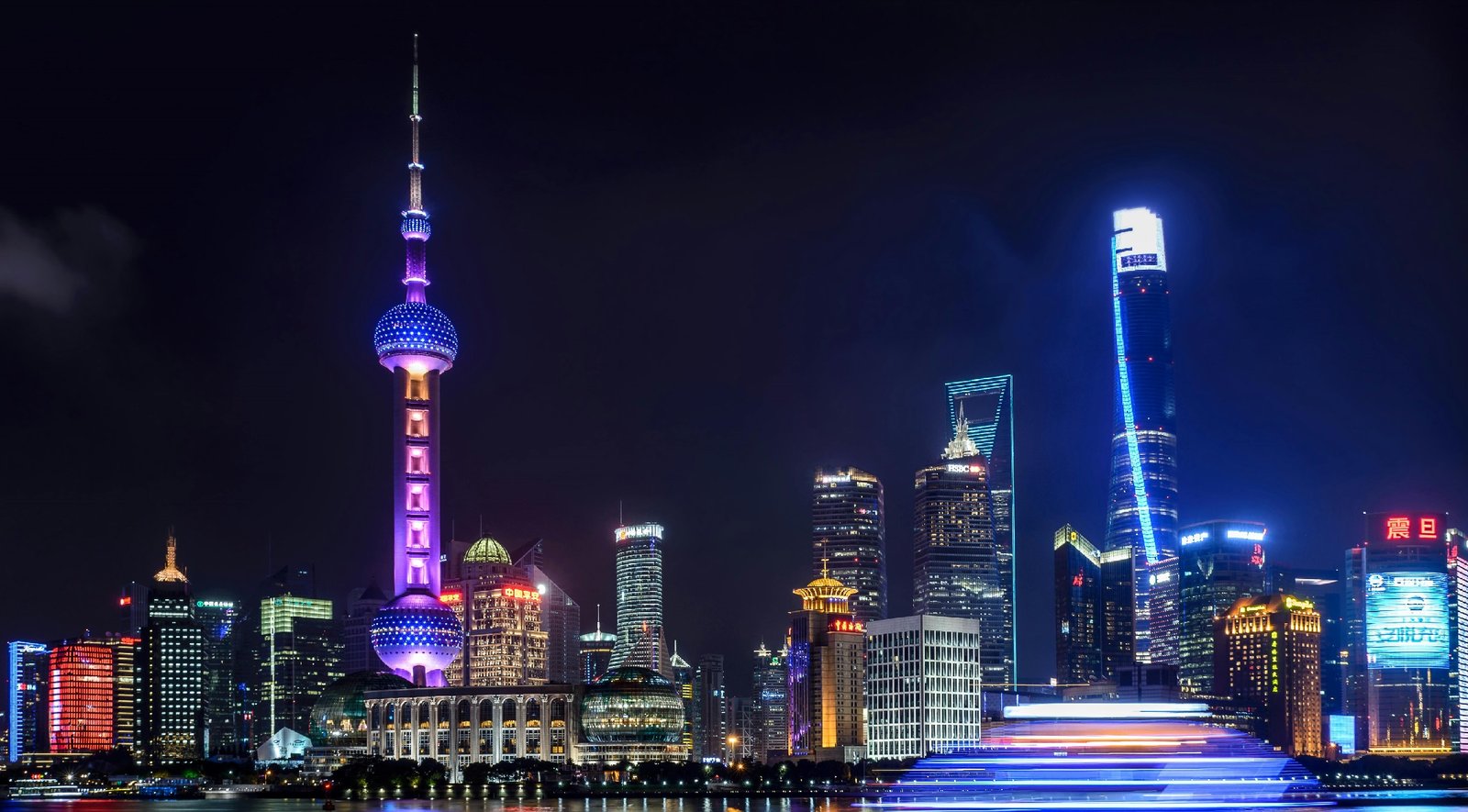
Monitoring Shanghai's Air Quality: A Closer Look at Environmental Protection Policies
Shanghai, one of China's bustling metropolises, has been implementing stringent environmental protection policies to tackle air pollution and maintain a better quality of life for its residents. As a key component of these efforts, the city has established a comprehensive air quality monitoring system to track pollution levels and ensure timely interventions.
The Shanghai Air Quality Monitoring Network consists of numerous monitoring stations strategically located across the city to gather real-time data on various pollutants, including particulate matter (PM2.5 and PM10), nitrogen dioxide (NO2), sulfur dioxide (SO2), ozone (O3), and carbon monoxide (CO). By continuously monitoring these pollutants, authorities can assess air quality trends, identify sources of pollution, and take targeted actions to mitigate environmental risks.
One of the primary objectives of the monitoring network is to provide accurate and timely information to the public and policymakers. Through online platforms and mobile applications, residents can access real-time air quality data, pollution forecasts, and health advisories. This transparency helps raise awareness about environmental issues and empowers individuals to make informed decisions to protect their health and the environment.
Moreover, the data collected through the monitoring network plays a crucial role in shaping environmental policies and regulations. By analyzing trends and patterns in air quality, authorities can identify areas of concern and implement measures to reduce pollution levels effectively. This evidence-based approach ensures that policies are tailored to address specific environmental challenges and deliver tangible results.
In addition to monitoring air quality, Shanghai has introduced a series of initiatives to improve environmental protection, such as promoting clean energy sources, enhancing public transportation infrastructure, and implementing emission control measures for industries. These holistic efforts demonstrate the city's commitment to sustainable development and creating a greener and healthier urban environment for its residents.
In conclusion, Shanghai's air quality monitoring system is a key component of the city's environmental protection policies. By leveraging cutting-edge technology and data-driven strategies, authorities can track pollution levels effectively, inform the public, and shape policies to safeguard the environment and public health. As Shanghai continues to prioritize environmental sustainability, these initiatives will play a vital role in creating a cleaner and more resilient city for generations to come.
Leave a Comment:
SEARCH
Recent News
- Zurich, Switzerland, and Shanghai, China, are two cities known for their bustling business environments and thriving economies. In Zurich, there are several top companies that play a significant role in shaping the city's status as a global financial hub. Likewise, Shanghai is home to a number of prominent companies that contribute to its reputation as a leading business and financial center in Asia.
- Zurich, Switzerland, and Shanghai, China, are two cities known for their vibrant startup scenes. Both cities have established themselves as important hubs for innovation and entrepreneurship, attracting talented individuals and investors from around the world.
- Zurich, Switzerland and Shanghai, China are two vastly different cities, each with its own unique charm and appeal. While Zurich is known for its picturesque landscapes, high standard of living, and thriving financial sector, Shanghai is a bustling metropolis with a rapidly growing economy and a vibrant real estate market.
- Zurich, Switzerland vs. Shanghai Labor Market: A Comparison
- Zurich, Switzerland is a picturesque city known for its beautiful architecture, vibrant cultural scene, and high quality of life. On the other hand, Shanghai, China is a bustling metropolis that serves as a major financial and business hub in Asia. Let's explore how these two cities compare in terms of business opportunities and what makes them unique in their own ways.
- Exposing Shanghai's Top Companies: YouTube Content Creation and Translation
- In the bustling city of Shanghai, startups are thriving and the content creation scene on YouTube is flourishing. As more and more entrepreneurs and creators flock to this dynamic city, they are tapping into the power of YouTube to reach a global audience. One key strategy that many of these startups are adopting is translating their content to reach an even broader and more diverse audience.
- How YouTube Content Creation and Translation Can Benefit Shanghai Real Estate Industry
READ MORE
10 months ago Category :

Zurich, Switzerland, and Shanghai, China, are two cities known for their bustling business environments and thriving economies. In Zurich, there are several top companies that play a significant role in shaping the city's status as a global financial hub. Likewise, Shanghai is home to a number of prominent companies that contribute to its reputation as a leading business and financial center in Asia.
Read More →10 months ago Category :

Zurich, Switzerland, and Shanghai, China, are two cities known for their vibrant startup scenes. Both cities have established themselves as important hubs for innovation and entrepreneurship, attracting talented individuals and investors from around the world.
Read More →10 months ago Category :

Zurich, Switzerland and Shanghai, China are two vastly different cities, each with its own unique charm and appeal. While Zurich is known for its picturesque landscapes, high standard of living, and thriving financial sector, Shanghai is a bustling metropolis with a rapidly growing economy and a vibrant real estate market.
Read More →10 months ago Category :
