Shanghai is a bustling metropolis and a major hub for import and export activities in China. Understanding Shanghai's export taxation and duties is crucial for businesses looking to trade goods in and out of the city. In this blog post, we will explore the regulations governing exports in Shanghai and delve into the specifics of export taxation and duties.
Category : Shanghai Import and Export Regulations | Sub Category : Shanghai Export Taxation and Duties Posted on 2025-02-02 21:24:53
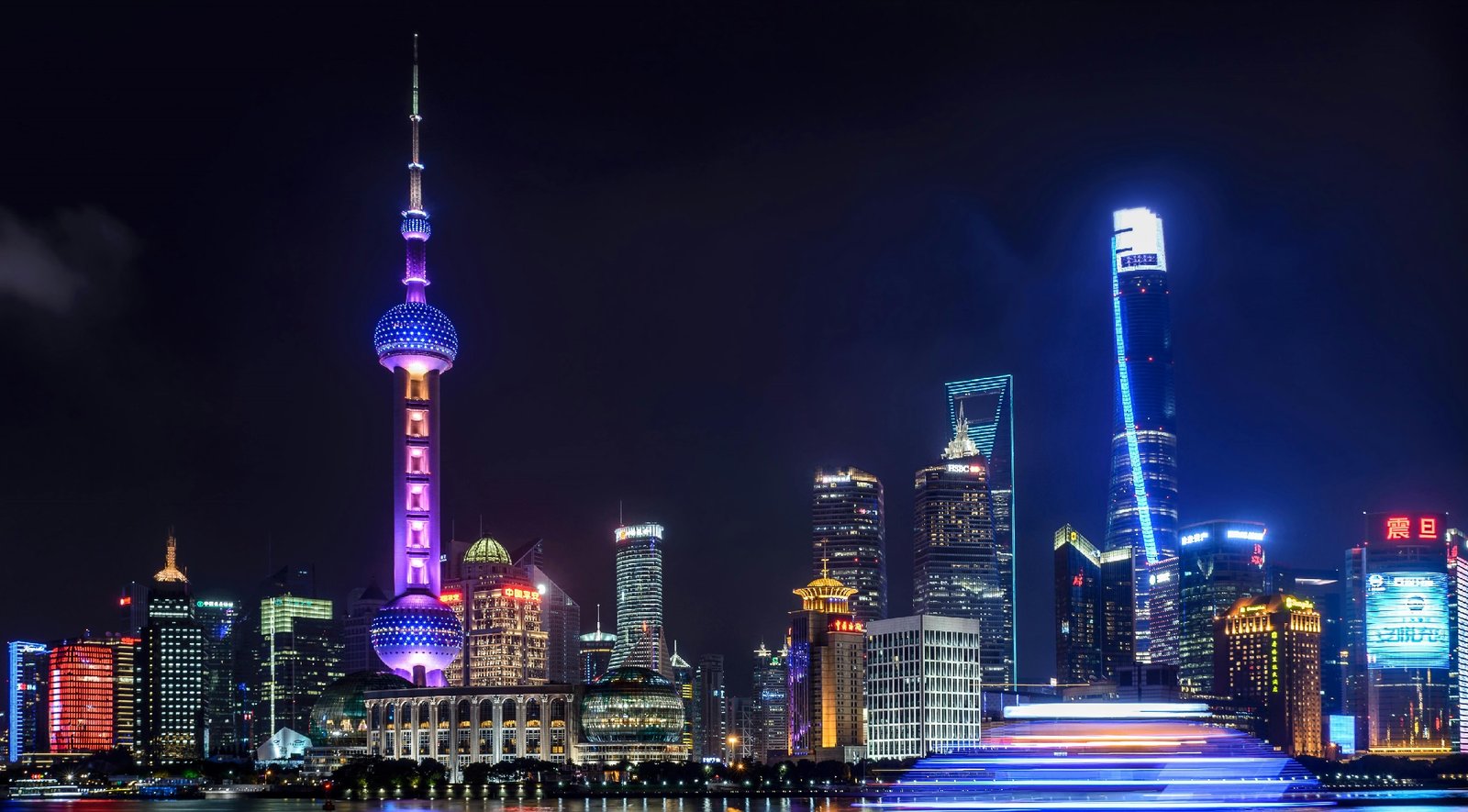
Shanghai is a bustling metropolis and a major hub for import and export activities in China. Understanding Shanghai's export taxation and duties is crucial for businesses looking to trade goods in and out of the city. In this blog post, we will explore the regulations governing exports in Shanghai and delve into the specifics of export taxation and duties.
Exporting goods from Shanghai requires compliance with various regulations set forth by the Chinese government. Companies must register with the relevant authorities, obtain the necessary licenses, and adhere to customs procedures to facilitate smooth export operations. It is essential to stay informed about any updates or changes in export regulations to avoid potential pitfalls and ensure seamless transactions.
When it comes to export taxation and duties in Shanghai, several key points need to be considered. One significant aspect is Value-Added Tax (VAT), which is levied on the value added at each stage of production and distribution. Exporters may be eligible for VAT refunds on exported goods, depending on certain criteria and requirements.
In addition to VAT, exporters in Shanghai are subject to various other taxes and duties, such as customs duties, consumption tax, and excise tax. Customs duties are imposed on goods imported or exported across international borders and vary depending on the product type and origin. Consumption tax is levied on specific goods deemed as luxury or environmentally harmful, while excise tax is imposed on goods like alcohol and tobacco.
To navigate the complex landscape of export taxation and duties in Shanghai, businesses can seek guidance from professional consultants or industry experts. These professionals can provide valuable insights and assistance in managing tax obligations, claiming refunds, and ensuring compliance with regulations.
In conclusion, understanding Shanghai's export taxation and duties is essential for businesses engaged in international trade. By staying informed, following regulations, and seeking expert advice when needed, exporters can navigate the taxation system effectively and optimize their operations in this dynamic and competitive market.
Leave a Comment:
SEARCH
Recent News
- Zurich, Switzerland, and Shanghai, China, are two cities known for their bustling business environments and thriving economies. In Zurich, there are several top companies that play a significant role in shaping the city's status as a global financial hub. Likewise, Shanghai is home to a number of prominent companies that contribute to its reputation as a leading business and financial center in Asia.
- Zurich, Switzerland, and Shanghai, China, are two cities known for their vibrant startup scenes. Both cities have established themselves as important hubs for innovation and entrepreneurship, attracting talented individuals and investors from around the world.
- Zurich, Switzerland and Shanghai, China are two vastly different cities, each with its own unique charm and appeal. While Zurich is known for its picturesque landscapes, high standard of living, and thriving financial sector, Shanghai is a bustling metropolis with a rapidly growing economy and a vibrant real estate market.
- Zurich, Switzerland vs. Shanghai Labor Market: A Comparison
- Zurich, Switzerland is a picturesque city known for its beautiful architecture, vibrant cultural scene, and high quality of life. On the other hand, Shanghai, China is a bustling metropolis that serves as a major financial and business hub in Asia. Let's explore how these two cities compare in terms of business opportunities and what makes them unique in their own ways.
- Exposing Shanghai's Top Companies: YouTube Content Creation and Translation
- In the bustling city of Shanghai, startups are thriving and the content creation scene on YouTube is flourishing. As more and more entrepreneurs and creators flock to this dynamic city, they are tapping into the power of YouTube to reach a global audience. One key strategy that many of these startups are adopting is translating their content to reach an even broader and more diverse audience.
- How YouTube Content Creation and Translation Can Benefit Shanghai Real Estate Industry
READ MORE
10 months ago Category :

Zurich, Switzerland, and Shanghai, China, are two cities known for their bustling business environments and thriving economies. In Zurich, there are several top companies that play a significant role in shaping the city's status as a global financial hub. Likewise, Shanghai is home to a number of prominent companies that contribute to its reputation as a leading business and financial center in Asia.
Read More →10 months ago Category :

Zurich, Switzerland, and Shanghai, China, are two cities known for their vibrant startup scenes. Both cities have established themselves as important hubs for innovation and entrepreneurship, attracting talented individuals and investors from around the world.
Read More →10 months ago Category :

Zurich, Switzerland and Shanghai, China are two vastly different cities, each with its own unique charm and appeal. While Zurich is known for its picturesque landscapes, high standard of living, and thriving financial sector, Shanghai is a bustling metropolis with a rapidly growing economy and a vibrant real estate market.
Read More →10 months ago Category :
