Shanghai, known as a bustling international trade hub, has strict import and export regulations in place to ensure compliance with trade laws and regulations. Understanding and adhering to these regulations are crucial for businesses engaging in import and export activities in Shanghai.
Category : Shanghai Import and Export Regulations | Sub Category : Shanghai Trade Laws and Compliance Posted on 2025-02-02 21:24:53
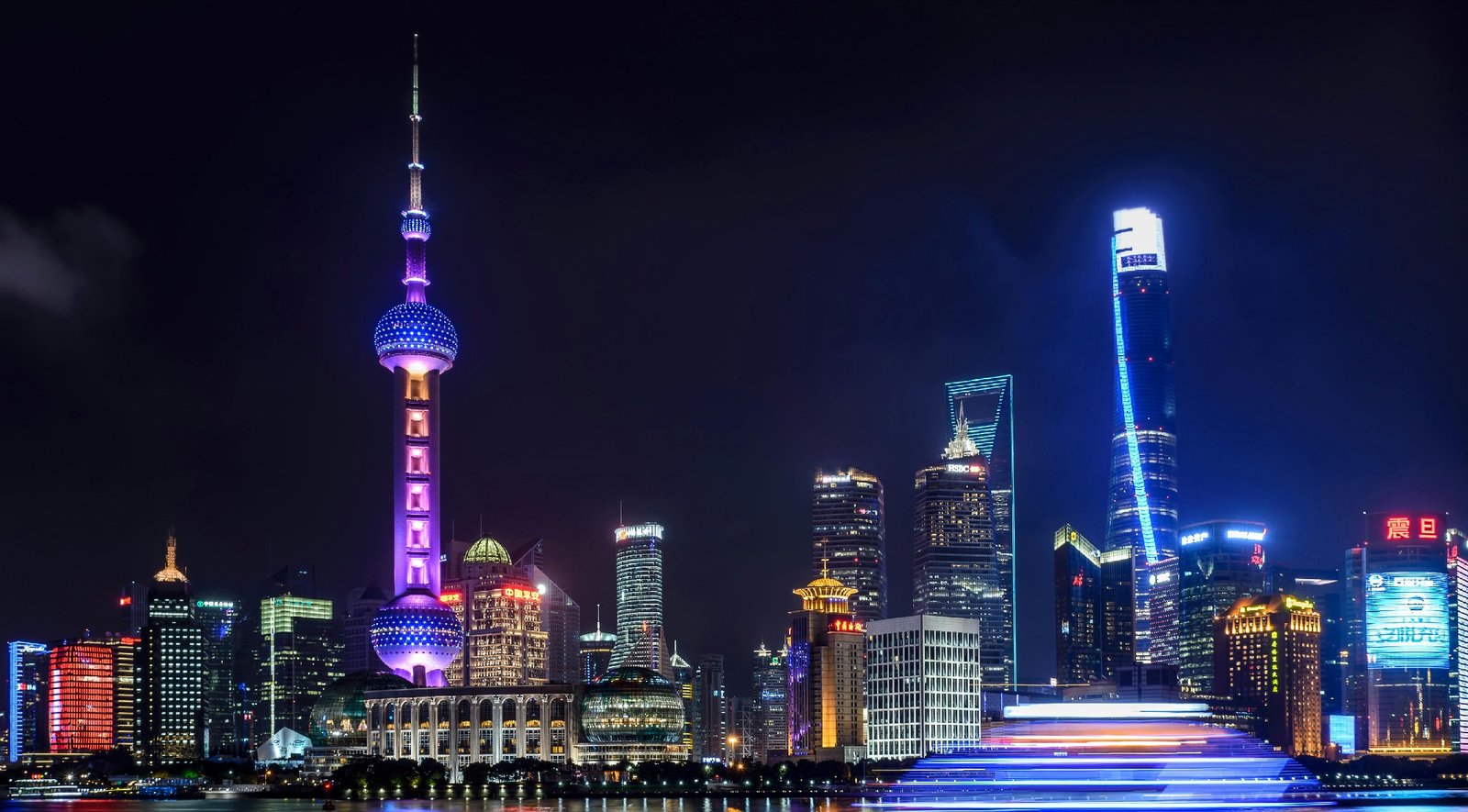
Shanghai, known as a bustling international trade hub, has strict import and export regulations in place to ensure compliance with trade laws and regulations. Understanding and adhering to these regulations are crucial for businesses engaging in import and export activities in Shanghai.
One key aspect of Shanghai's import and export regulations is the need for businesses to obtain the necessary permits and licenses before engaging in any trade activities. This includes a business license, import/export license, and any other relevant permits required for specific goods or industries. Failure to obtain these permits can result in fines, delays, or even the seizure of goods.
Another important consideration for businesses in Shanghai is customs clearance procedures. Goods entering or leaving Shanghai must go through customs clearance, which involves providing the necessary documentation, such as invoices, packing lists, and certificates of origin. It is important to ensure that all documentation is accurate and complete to prevent any delays or issues with customs clearance.
Shanghai also has regulations in place regarding restricted or prohibited goods. Certain goods may require special permits or may be entirely prohibited from import or export. It is essential for businesses to familiarize themselves with the list of restricted and prohibited goods to avoid any violations of trade laws.
Compliance with trade laws and regulations is critical for businesses operating in Shanghai. Non-compliance can result in severe consequences, including fines, legal action, or even the suspension of business operations. It is advisable for businesses to work with experienced trade advisors or legal experts to ensure full compliance with Shanghai's import and export regulations.
In conclusion, Shanghai's import and export regulations are designed to maintain a fair and transparent trading environment. By understanding and complying with these regulations, businesses can navigate the complexities of international trade successfully and avoid any potential pitfalls.
Leave a Comment:
SEARCH
Recent News
- Zurich, Switzerland, and Shanghai, China, are two cities known for their bustling business environments and thriving economies. In Zurich, there are several top companies that play a significant role in shaping the city's status as a global financial hub. Likewise, Shanghai is home to a number of prominent companies that contribute to its reputation as a leading business and financial center in Asia.
- Zurich, Switzerland, and Shanghai, China, are two cities known for their vibrant startup scenes. Both cities have established themselves as important hubs for innovation and entrepreneurship, attracting talented individuals and investors from around the world.
- Zurich, Switzerland and Shanghai, China are two vastly different cities, each with its own unique charm and appeal. While Zurich is known for its picturesque landscapes, high standard of living, and thriving financial sector, Shanghai is a bustling metropolis with a rapidly growing economy and a vibrant real estate market.
- Zurich, Switzerland vs. Shanghai Labor Market: A Comparison
- Zurich, Switzerland is a picturesque city known for its beautiful architecture, vibrant cultural scene, and high quality of life. On the other hand, Shanghai, China is a bustling metropolis that serves as a major financial and business hub in Asia. Let's explore how these two cities compare in terms of business opportunities and what makes them unique in their own ways.
- Exposing Shanghai's Top Companies: YouTube Content Creation and Translation
- In the bustling city of Shanghai, startups are thriving and the content creation scene on YouTube is flourishing. As more and more entrepreneurs and creators flock to this dynamic city, they are tapping into the power of YouTube to reach a global audience. One key strategy that many of these startups are adopting is translating their content to reach an even broader and more diverse audience.
- How YouTube Content Creation and Translation Can Benefit Shanghai Real Estate Industry
READ MORE
10 months ago Category :

Zurich, Switzerland, and Shanghai, China, are two cities known for their bustling business environments and thriving economies. In Zurich, there are several top companies that play a significant role in shaping the city's status as a global financial hub. Likewise, Shanghai is home to a number of prominent companies that contribute to its reputation as a leading business and financial center in Asia.
Read More →10 months ago Category :

Zurich, Switzerland, and Shanghai, China, are two cities known for their vibrant startup scenes. Both cities have established themselves as important hubs for innovation and entrepreneurship, attracting talented individuals and investors from around the world.
Read More →10 months ago Category :

Zurich, Switzerland and Shanghai, China are two vastly different cities, each with its own unique charm and appeal. While Zurich is known for its picturesque landscapes, high standard of living, and thriving financial sector, Shanghai is a bustling metropolis with a rapidly growing economy and a vibrant real estate market.
Read More →10 months ago Category :
